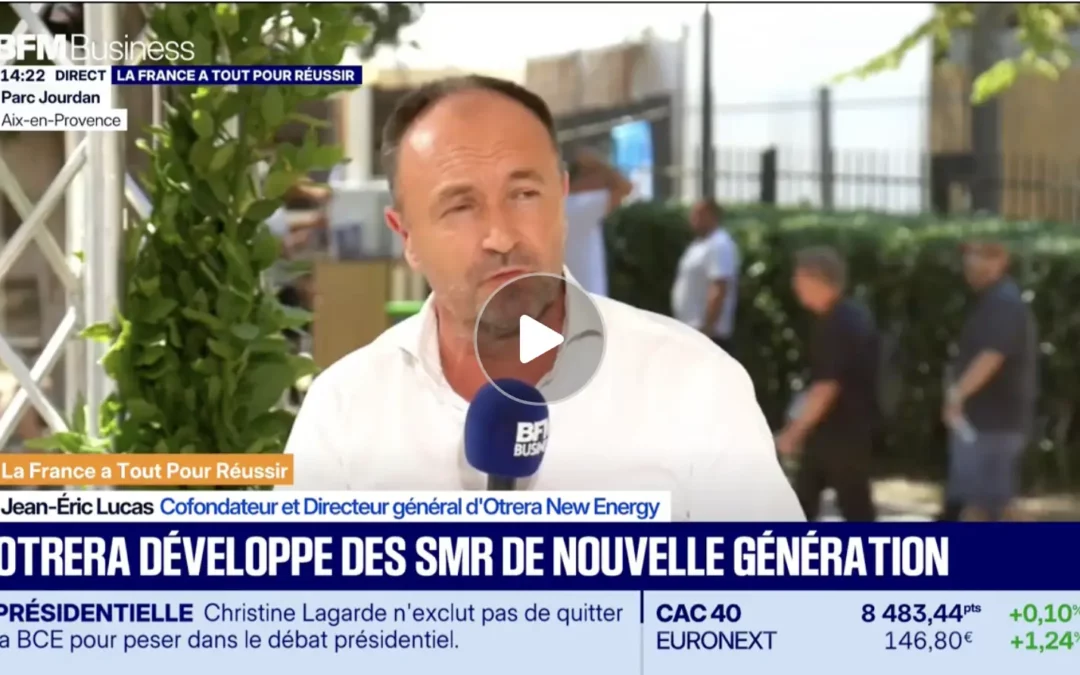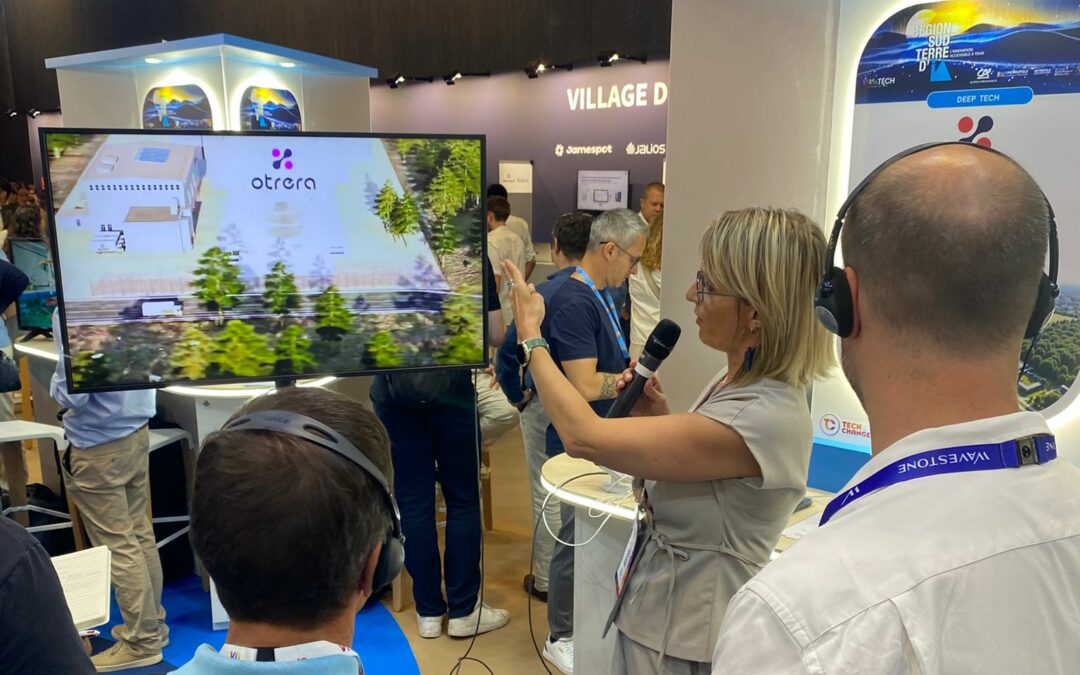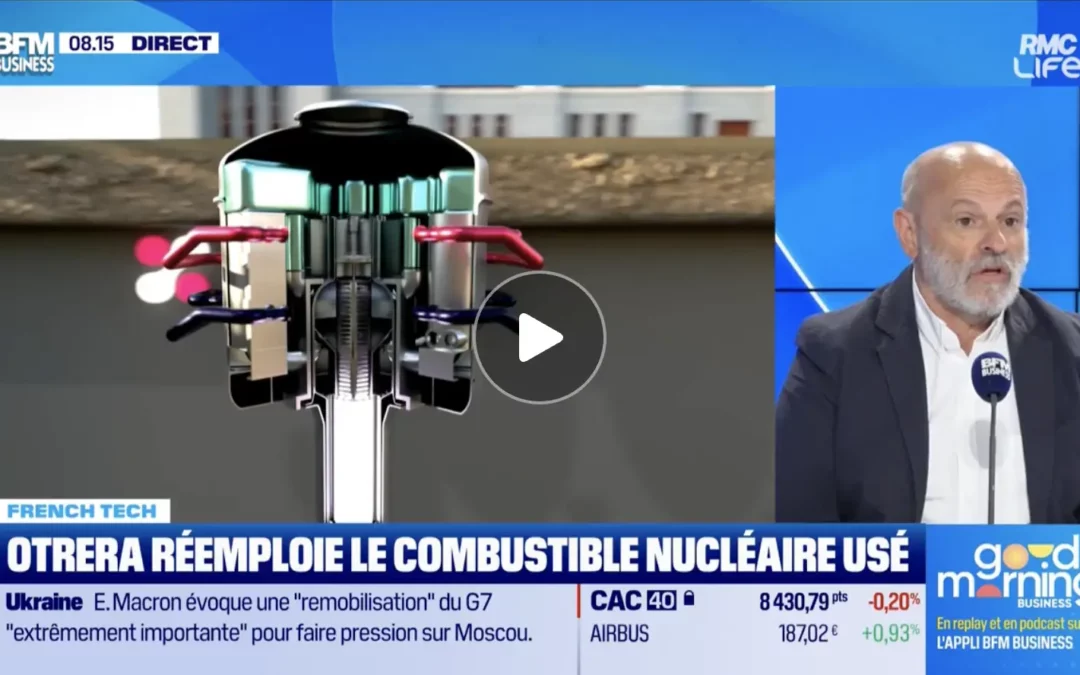
From September 17 to 19, 2025, Otrera took part in ICAPP, a leading international conference held this year in Antibes as part of the ANS Annual Conference. This edition highlighted the roadmap for French nuclear power. Otrera demonstrated the full relevance of its approach, with a clear positioning and five well-received technical presentations.
Shared priorities with industry stakeholders
From the opening speeches, the main directions were set out by Bernard Fontana (EDF), Vincent Berger (High Commissioner for Atomic Energy) and Jacques Petit (Orano). Key priorities included deploying new reactors such as the EPR2, modernising fuel cycle facilities, and ensuring fuel cycle closure as a strategic cornerstone.
Vincent Berger underscored a key point: it is becoming essential to consider the fuel cycle and the reactor together. Otrera has applied this vision since its inception. Its model is based on full integration between the fuel cycle and reactor design. This approach makes it possible to envisage seamless adaptation to current and future cycles.
Five technical presentations, five innovation angles
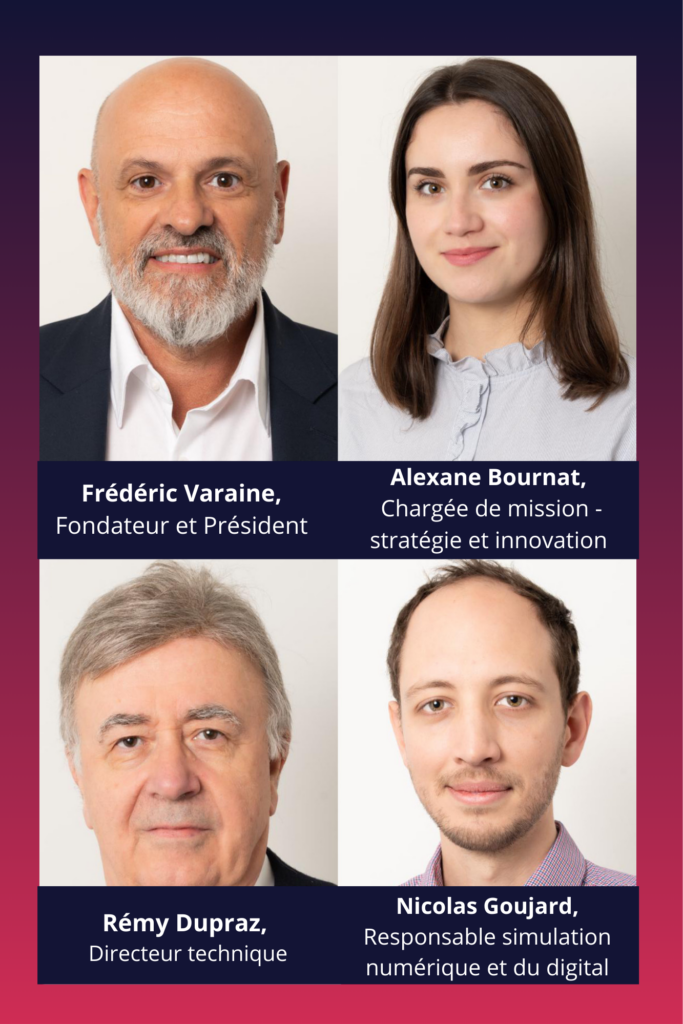
The Otrera team actively contributed to the scientific programme with five technical presentations:
Frédéric Varaine: Innovative Design and Techno-economic Performance of Modular SFR
Rémy Dupraz: A compact and economic design for sustainable plutonium management / Cost Estimation Methodologies for SMRs
Alexane Bournat: SFR for Large-scale Production of Low Carbon Hydrogen and E-fuels
Nicolas Goujard: Towards a more efficient and sustainable management of plutonium
These presentations highlighted several differentiating strengths: an optimised core for MOX and HALEU fuels, a modular architecture, and a range of applications from electricity to heat, including low-carbon hydrogen.
A practical response to the schedule challenge
One of the most discussed topics was construction timelines. In China, a reactor can be delivered in five years. In Europe, it often exceeds ten. Otrera provides an operational answer. Its reactor is compact, modular, rapidly industrialisable, and designed for short-loop assembly.
By integrating from the outset a rigorous cost-estimation methodology—taking into account compressibility, pooling and modularity—the project anticipates the competitiveness levers for the first units (FOAK) as well as subsequent ones (NOAK).
To learn more about the Otrera reactor:
🔗 Otrera reactor: a new generation of modular, sovereign nuclear power